

Approaches
The Chester County Planning Commission recommends communities strive to achieve five main strategies to address changes occurring due to increasing senior population in accordance with Landscapes3 and A+ Homes.
Help seniors age-in-place
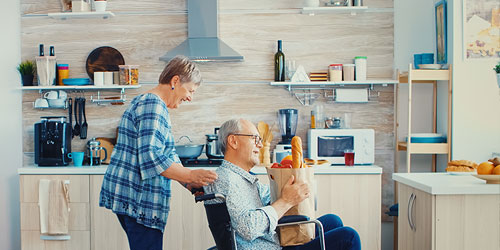
Aging in place means seniors remain living in their current residences. As the majority of seniors hope to remain in their current homes, renovation and reconfiguration of current housing is needed to increase accessibility for seniors. Additionally, as Chester County's residents age, their incomes may decrease or become fixed, causing the need for new income sources to maintain housing affordability. This is generally accomplished through adding accessibility upgrades to existing homes, and may require adding income sources or increasing municipal flexibility in permitting accessory dwelling units for caregivers. Many existing homes in Chester County's residential neighborhoods are accessible mainly by car. Additional transportation connections such as public transportation, sidewalks, and trails may be needed to connect seniors to amenities and services.
Strategies to help seniors age in place
- Accessory Dwelling Units (ADUs)
- Community Outreach & Education
- Financial Incentives
- Matchmaking
- NORCs
- Remodels
- Transportation
- Universal Design
- Zoning
Develop housing options for seniors to age-in-community
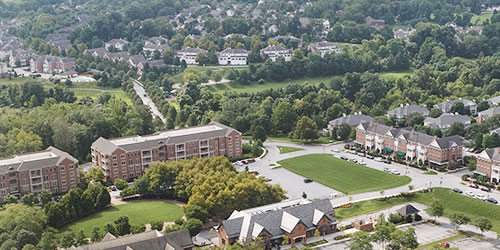
Aging in community means the ability of seniors to either remain in their current homes or move to another home within the community as they age. Chester County seniors' abilities and needs will vary greatly, requiring many different types of housing to meet their needs. Although in a survey completed by AARP only 13% of seniors indicated they would like to move to a new home within their community, changing abilities or circumstances may require seniors to relocate. Decreasing physical abilities may require additional caregiving. Decreased income may require more affordable housing options. The style of large single family homes with multiple bedrooms that seniors previously lived in will not be able to accommodate changing needs. Instead, smaller units with lower maintenance upkeep, and lower rents or mortgages will be needed. These forms of housing vary in density, from lower density townhomes, shared housing, and stacked townhomes, to higher density multifamily apartment buildings, nursing homes, and assisted living communities. Some of these homes will be private housing while others may be part of senior living arrangements. Construction of diverse housing options will be needed to accommodate seniors as they age.
Strategies to develop housing options for seniors to age-in-community
- Accessory Dwelling Units (ADUs)
- Adaptive Reuse
- Community Outreach & Education
- Co-Living
- Housing Cooperatives
- Housing Vouchers
- Matchmaking
- Manufactured Housing
- Micro-Apartments
- Mini/Tiny Homes
- Missing Middle Housing
- University Based Housing
- Transit Oriented Development
- Transportation Options
- Zoning
Facilitate multigenerational and shared housing
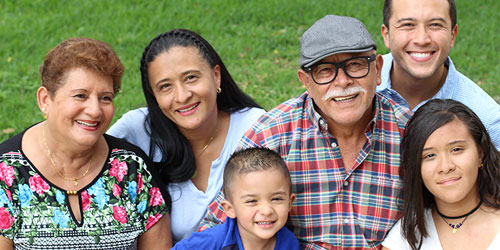
Shared housing, or co-living, provides private bed quarters for seniors, with shared common areas such as kitchens or bathrooms. Multigenerational living involves seniors living with relatives, either in private bed quarters or private residences located on the same property. Shared housing and multigenerational living enable seniors to save money and provide built in support networks to assist with daily activities.
Strategies to develop housing options for seniors to age-in-community
- Accessory Dwelling Units (ADUs)
- Adaptive Reuse
- Community Outreach & Education
- Co-Living
- Housing Cooperatives
- Matchmaking
- Mini/Tiny Homes
- Missing Middle Housing
- Remodels
- Transportation Options
- Zoning
Keep seniors physically and socially connected
Seniors are at greater risk of being socially or physically isolated. Ensuring transportation options, building housing and amenities close together, and holding community events and activities will help keep seniors connected. Where possible, communities should plan senior housing (especially senior living arrangements) near existing public transportation. Communities will need to develop adequate public services to accommodate senior populations. Seniors often require higher levels of medical care, including ambulance service. Communities will need to ensure adequate connection and availability of these medical and social services.
Strategies to keep seniors physically and socially connected

- Accessory Dwelling Units (ADUs)
- Adaptive Reuse
- Community Outreach & Education
- Co-Living
- Housing Cooperatives
- Matchmaking
- Micro-Apartments
- Missing Middle Housing
- University Based Housing
- Transit Oriented Development
- Transportation Options
- Zoning
Create a range of price options for housing
A range of price options means having home expenses be no more than 30% of total income. After retirement, seniors will have lower incomes and may require more affordably priced living options. In 2019 Chester County had a median household income of $100,214, a household of this income could afford 44% of home sales . However, additional housing costs such as home association fees, down-payments, and closing costs decrease the number sales affordable to those with households at or below the median income. Furthermore, housing costs have been steadily increasing in Chester County; the median sales price increased by 89% from 2000 to 2019, from $188,000 to $355,000. Communities will need to maintain and develop housing options at a variety of prices to ensure seniors can continue to afford housing.
Strategies to create a range of price options for housing